Transform Your Home with Expert Interior Design Tips

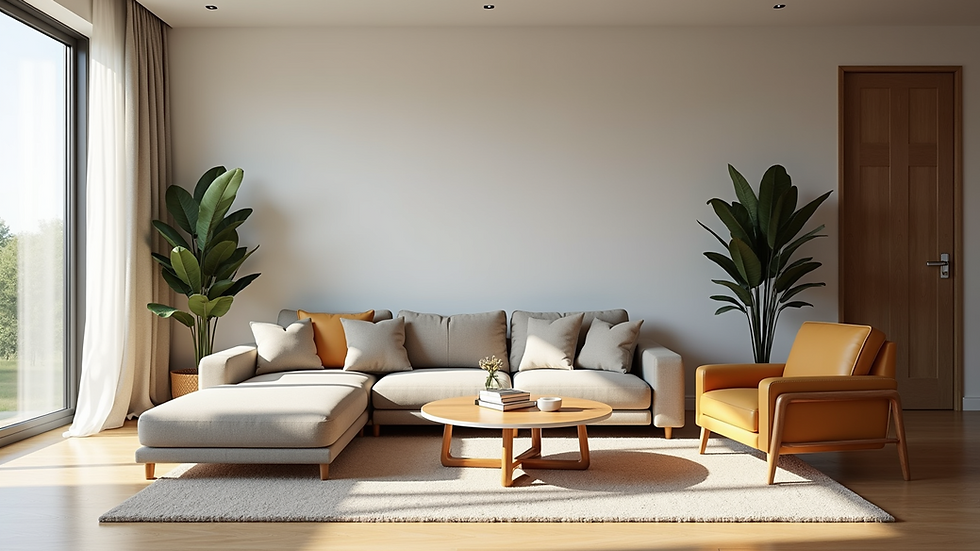
Transforming your home can feel like a daunting task, but with the right interior design tips, it can also be an exciting journey. Whether you're looking to refresh a single room or completely overhaul your living space, understanding the principles of design can help you create a home that reflects your personality and meets your needs. In this blog post, we will explore practical tips and strategies to elevate your home’s interior design, making it both functional and aesthetically pleasing.

Understanding Your Space
Before diving into design choices, it’s essential to understand the space you’re working with. Each room has its unique characteristics, and recognizing these can guide your decisions.
Assess the Layout
Start by evaluating the layout of your rooms. Consider the following:
Flow: How do people move through the space? Ensure there’s a natural flow that allows for easy movement.
Functionality: What activities will take place in the room? Design should cater to the room's purpose, whether it’s for relaxation, work, or entertainment.
Natural Light: Identify where the light comes from. Rooms with ample natural light can handle darker colors, while dimly lit spaces may benefit from lighter shades.
Measure Your Space
Accurate measurements are crucial. Use a tape measure to determine the dimensions of your rooms, including doorways and windows. This information will help you select furniture and decor that fits well without overcrowding the space.
Choosing a Color Palette
Color plays a significant role in interior design. It can influence mood, create a sense of space, and tie different elements together.
Start with a Base Color
Choose a base color that will dominate the room. This could be a neutral shade like beige or gray, which allows for flexibility in adding accent colors.
Add Accent Colors
Once you have your base color, select one or two accent colors. These can be used in accessories, artwork, or furniture. For example:
Bold Colors: Use vibrant colors like teal or mustard for a lively touch.
Soft Colors: Pastels can create a calming atmosphere, perfect for bedrooms or relaxation areas.
Consider the 60-30-10 Rule
A popular guideline in interior design is the 60-30-10 rule, which suggests:
60%: Dominant color (walls, large furniture)
30%: Secondary color (upholstery, curtains)
10%: Accent color (decorative items, artwork)
This balance creates a cohesive look without overwhelming the senses.
Selecting Furniture
Furniture selection is one of the most impactful aspects of interior design. The right pieces can enhance functionality and style.
Prioritize Comfort and Function
When choosing furniture, consider both comfort and functionality. For example, a sofa should not only look good but also provide ample seating for family and guests.
Scale and Proportion
Ensure that the size of your furniture is appropriate for the space. Large furniture in a small room can make it feel cramped, while small pieces in a large room can make it feel empty.
Mix Styles
Don’t be afraid to mix different styles. A modern sofa can pair beautifully with vintage chairs, creating an eclectic and personalized look.
Lighting Matters
Lighting is often an overlooked element in interior design, yet it can dramatically affect the ambiance of a room.
Layer Your Lighting
Use a combination of ambient, task, and accent lighting to create a well-lit space.
Ambient Lighting: This is the general light that fills the room, such as ceiling fixtures or wall sconces.
Task Lighting: This includes focused lighting for specific tasks, like reading lamps or under-cabinet lights in the kitchen.
Accent Lighting: Use this to highlight artwork or architectural features, adding depth and interest.
Choose the Right Fixtures
Select light fixtures that complement your design style. For example, a sleek pendant light can enhance a modern kitchen, while a vintage chandelier can add charm to a dining room.
Incorporating Textures
Textures add depth and interest to your home. Mixing different materials can create a dynamic and inviting atmosphere.
Use a Variety of Materials
Incorporate a mix of textures such as:
Soft Fabrics: Use cushions, throws, and rugs to add warmth.
Natural Elements: Wood, stone, and plants can bring an organic feel to your space.
Metal Accents: Incorporate metal through light fixtures or decorative items for a modern touch.
Create Contrast
Contrast can make a space more visually appealing. For instance, pair a plush velvet sofa with a sleek glass coffee table to create a striking balance.
Personalizing Your Space
Your home should reflect your personality and interests. Personal touches can make a space feel uniquely yours.
Display Artwork and Photos
Incorporate artwork and personal photographs to tell your story. Create a gallery wall or use a single large piece as a focal point.
Use Decorative Accessories
Accessories such as vases, books, and decorative bowls can add character to your home. Choose items that resonate with you and complement your color palette.
Incorporate Plants
Plants not only enhance the aesthetic but also improve air quality. Consider low-maintenance options like succulents or snake plants if you’re new to gardening.
Creating Functional Spaces
Designing functional spaces is essential for a home that works for you.
Define Areas
In open-concept homes, use furniture placement to define different areas. For example, a sofa can separate the living room from the dining area.
Multi-Functional Furniture
Consider furniture that serves multiple purposes. A coffee table with storage or a sofa bed can maximize space in smaller homes.
Final Touches
Once you’ve made significant design choices, it’s time to add the finishing touches.
Layering Rugs
Layering rugs can add warmth and texture. Use a larger neutral rug as a base and add a smaller, patterned rug on top for visual interest.
Seasonal Decor
Change your decor with the seasons to keep your space feeling fresh. Swap out cushions, throws, and artwork to reflect seasonal colors and themes.
Regularly Reassess
As your tastes and needs change, don’t hesitate to reassess your design. Regularly updating your space can keep it feeling new and exciting.
Conclusion
Transforming your home with expert interior design tips doesn’t have to be overwhelming. By understanding your space, choosing the right colors and furniture, and incorporating personal touches, you can create a home that is both beautiful and functional. Remember, the key is to make choices that resonate with you and reflect your lifestyle. Start small, and enjoy the process of making your home a true reflection of who you are.
Now that you have these tips, it’s time to roll up your sleeves and start transforming your space!

Comments